Garage Door Opener Repair vs. Replace: How to Make the Right Call
Deciding whether to repair or replace a garage door opener depends on the failed component, opener condition, parts availability, installed replacement cost and the features you actually need.
Updated September 2026
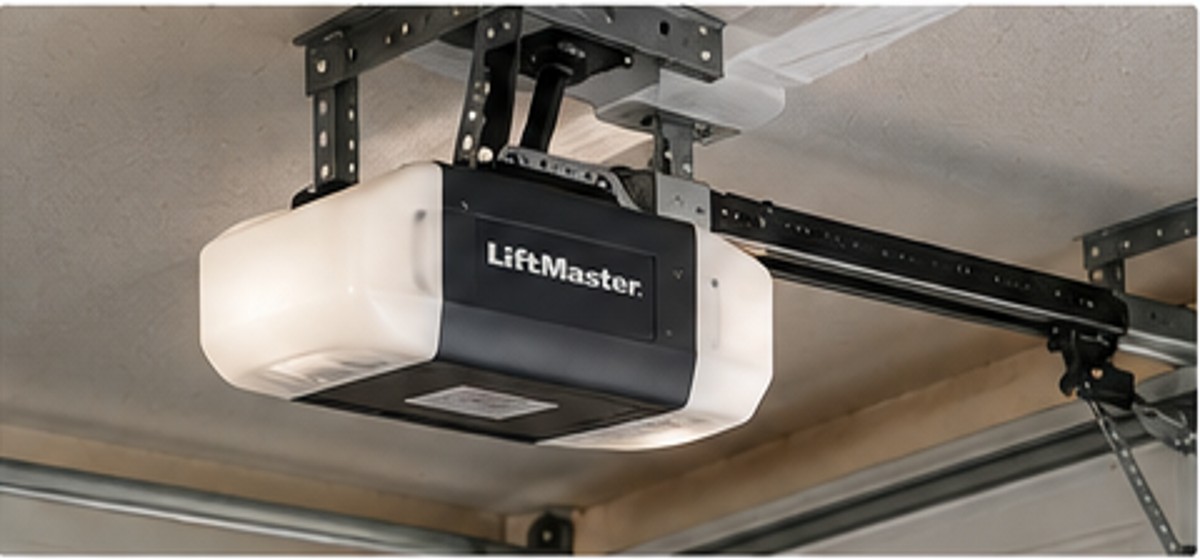
First separate the opener from the garage door
Many “opener problems” are actually door problems. A broken spring, binding track, damaged roller or poor counterbalance can make the opener strain, stop or reverse. Replacing the opener without correcting the mechanical door problem can leave the new unit facing the same excessive load.
| Situation | Repair may make sense | Replacement may make sense |
|---|---|---|
| Remote/control problem | Often, if receiver/control system is serviceable | If electronics are obsolete or parts unavailable |
| Sensor/wiring issue | Often repairable | Usually not a reason alone to replace the entire opener |
| Drive gear/trolley issue | Depends on model, labor and parts | More attractive on an older unit with other wear |
| Motor/control-board failure | Depends heavily on parts and warranty | Often worth comparing with installed replacement cost |
Age matters—but not by itself
Calendar age is useful context, not an automatic replacement rule. Consider reliability history, parts availability, safety features, noise, warranty status and how well the opener meets the household’s needs. A newer unit with a simple failed component may be an obvious repair candidate; an older unsupported unit with repeated faults may not be.
Features that can change the decision
Replacement can add capabilities such as battery backup, quieter belt drive, integrated lighting, smart controls, door-status notifications, cameras or improved accessory compatibility. Those benefits have value only if the homeowner will use them. Do not replace a functioning opener solely because a newer model has more features.
Safety and compatibility considerations
Entrapment-protection systems and controls should function as designed. When evaluating an older opener, ask whether current replacement parts are compatible and whether the unit can be serviced without bypassing safety functions. Never defeat sensors or reversal features to keep an opener operating.
Compare total repair cost with installed replacement
A meaningful comparison includes diagnosis, repair parts, labor and remaining expected reliability on one side, and the complete installed replacement scope on the other. Replacement quotes should identify the exact opener model, rail/drive hardware, controls, sensors, removal/disposal and any electrical or mounting work.
Check the door before installing a new opener
Questions that improve the decision
- What component actually failed?
- Is the part available and supported?
- What is the complete repair price?
- What is the complete installed replacement price?
- Does the existing opener have other significant wear?
- Which new features would materially benefit this garage?
- What warranty applies to each option?
Repair-vs-replace FAQs
Should I replace an opener just because it is old?
No. Age should be considered with condition, repair history, parts availability, safety, features and repair economics.
Can a new opener fix a broken spring?
No. The opener and counterbalance system perform different jobs. A spring problem needs to be corrected separately.
Is a belt-drive opener always better?
Not universally. Belt drive can be attractive when quiet operation matters, while other drive types may fit different budgets and priorities.