Garage Door Cable Repair Cost: What Affects the Price?
Learn what affects garage door cable repair cost, why cables come off or fail, what an estimate should include, and which related spring, drum or track problems can change the repair scope.
Updated September 2026
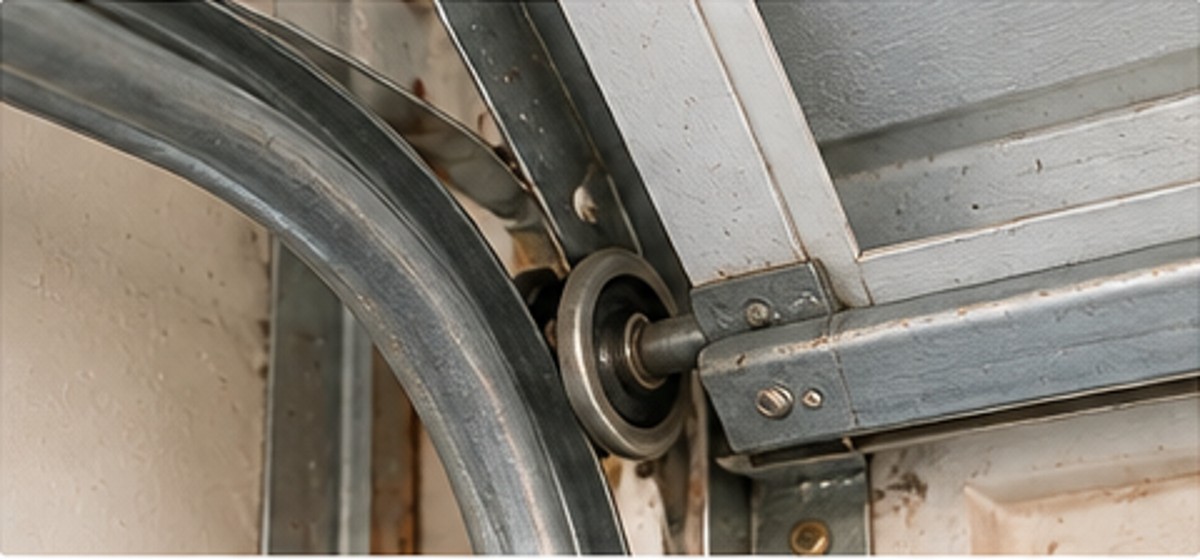
What garage-door lift cables actually do
Lift cables transfer force from the counterbalance system to the door. On many torsion-spring systems, cables wrap around drums near the top corners of the door. Other designs use different cable routing. Because the cables work with springs and loaded hardware, a cable problem is not equivalent to replacing a simple pull cord.
Signs of a cable problem
| Symptom | What it may indicate | Why it matters |
|---|---|---|
| One cable hangs loose | Cable off drum, broken cable, spring or drum issue | The door may no longer be evenly supported. |
| Door rises crooked | Unequal cable tension or hardware problem | Continued operation can worsen track/panel damage. |
| Frayed strands | Cable deterioration | Fraying can progress to failure. |
| Cable is tangled near drum | Door/counterbalance event | The root cause should be identified before resetting it. |
What affects cable repair cost?
The invoice can vary because “cable repair” may mean very different things. A technician may be replacing one or more cables, resetting cables on drums, correcting door alignment, replacing damaged drums or bearings, or repairing the spring/counterbalance condition that caused the cable to lose tension.
- Door width, height, weight and construction.
- Cable type and length.
- One cable versus matched cable replacement.
- Condition of drums, bottom fixtures and bearings.
- Whether springs or track hardware are also involved.
- Labor and service timing.
How to compare cable-repair estimates
Ask each company to describe the scope in the same terms. A low quote for “put cable back on” is not equivalent to a quote that includes replacing worn cables, correcting the cause of derailment and checking balance. The useful question is not simply “How much?” but “What exactly is being corrected?”
Why did the cable come off?
A cable can lose its normal position after a spring failure, impact, door obstruction, track problem, drum issue, uneven movement or operation when the door is not properly supported. If the underlying condition remains, resetting the cable alone may not produce a durable repair.
Should both cables be replaced?
That depends on condition, age, system design and the reason one cable failed. When two cables have shared similar service conditions, a technician may recommend replacing both. Ask to see wear or corrosion and to have the recommendation explained rather than assuming paired replacement is always mandatory.
Why cable work is not a casual DIY repair
Can cable problems be prevented?
Regular visual inspection can reveal fraying, corrosion, track problems or abnormal movement before a complete failure. Do not handle a frayed cable to “test” it. Watch the door operate from a safe position and arrange evaluation when movement becomes crooked or cables no longer appear properly seated.
Questions to ask before approving the repair
- Did the cable fail, or did it come off because of another problem?
- Are the drums and bottom fixtures in good condition?
- Why are you recommending one cable or two?
- Does the door need spring or balance work too?
- What warranty applies to the parts and labor?
Cable repair FAQs
Can I use the opener with a loose cable?
Do not continue operating a crooked or unevenly supported door. The opener can worsen the problem and additional rollers or panels may be damaged.
Does a loose cable always mean the cable broke?
No. It can come off a drum or lose tension because of another counterbalance or door problem.
Can a cable be repaired instead of replaced?
A damaged or frayed lifting cable is generally treated as a replacement item rather than patched. The system should also be checked for the reason it deteriorated or displaced.